New simulation capabilities, dramatic speedups and more chatbot choice, all in the latest Multiphysics release.
The latest version of Comsol Multiphysics, 6.4, isn’t flashy. The name maintains a steady point pace from last year’s Multiphysics 6.3. The desktop simulation platform doesn’t reinvent how it’s licensed or accessed. And, most restrained of all, Multiphysics 6.4 doesn’t deliver an AI chatbot with a cutesy name like Comet or Sol (though it’s not ignoring AI chatbots, either).
Comsol Multiphysics 6.4 modestly does what every software update should do: it adds features that its users have asked for and performance improvements that they’ll notice.
Engineering.com recently spoke with Bjorn Sjodin, senior VP of product management at Comsol, to learn more about the latest update. He explained why Multiphysics 6.4 could dramatically boost simulation times, described his favorite features of the new release (some long-awaited by users), and shared what he thinks are the biggest simulation trends to watch in 2026.
Simulation speedups with Nvidia cuDSS
We asked Sjodin to pick the most impactful update for most Comsol Multiphysics users, and he didn’t hesitate: “That’s the new Nvidia-based GPU solver that we have called cuDSS.”
Pronounced coo-dee-ess-ess, cuDSS is short for CUDA Direct Sparse Solver. CUDA is Nvidia’s GPU software interface, and cuDSS is a new direct solver that runs on Nvidia GPUs. Users can now select cuDSS for their simulations in addition to three pre-existing direct solvers that are all CPU-based.
If you have an Nvidia graphics card, there’s a good reason to choose cuDSS. For certain simulations, the GPU-based solver is a lot faster than the others—up to five times faster or even more, according to Comsol’s Multiphysics 6.4 announcement.
“It opens up an opportunity to go from these CPU-bound solvers to a GPU-based solver. It’s not for all types of models, but it’s a large chunk of all the problems that our user base are solving, and for all physics. That’s why it’s the most important feature in 6.4, because it’s potentially important for every user and every physics,” Sjodin said.
And, Sjodin adds, cuDSS is still technically in preview, not yet at a 1.0 release. He expects the performance to improve even further as Nvidia refines the new solver.
One other GPU update in Multiphysics 6.4—unrelated to cuDSS—is that time explicit pressure acoustics simulations can now be run on multiple GPUs, including GPU clusters (single GPU support for acoustics was introduced in Multiphysics 6.3). Again, that means faster simulations for those that have the hardware (Comsol Multiphysics currently only supports Nvidia GPUs, but Sjodin says support for other vendors, like AMD, is “something we’re looking into”).
Explicit dynamics for structural analysis
Other than cuDSS, Sjodin’s favorite feature of the 6.4 release is the new support for time-explicit dynamic analysis.
“That’s something that our users have been asking for as long as I can remember,” Sjodin said.
Explicit dynamic analysis allows Multiphysics users to efficiently simulate fast, transient, and non-linear events, according to Comsol. Sjodin gives the example of a phone drop test. While users would previously have to use specialized software to simulate such an event, now they can run an analysis in Comsol to understand how dropping a phone impacts it inside and out.
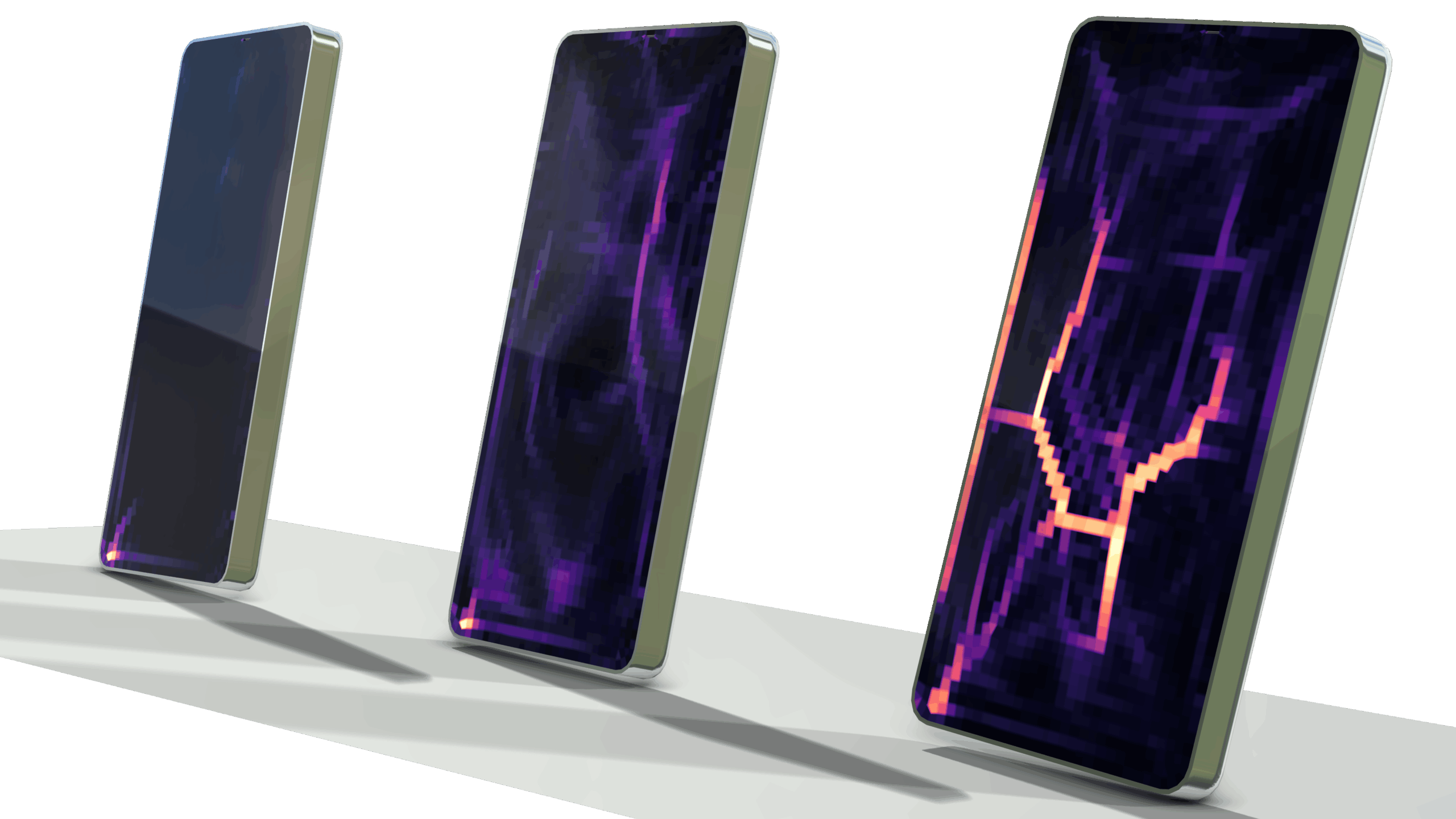
Comsol’s new explicit dynamics analysis can also be used for complicated mechanical contact structures, Sjodin said, such as a cable harness crimping high-power cables.
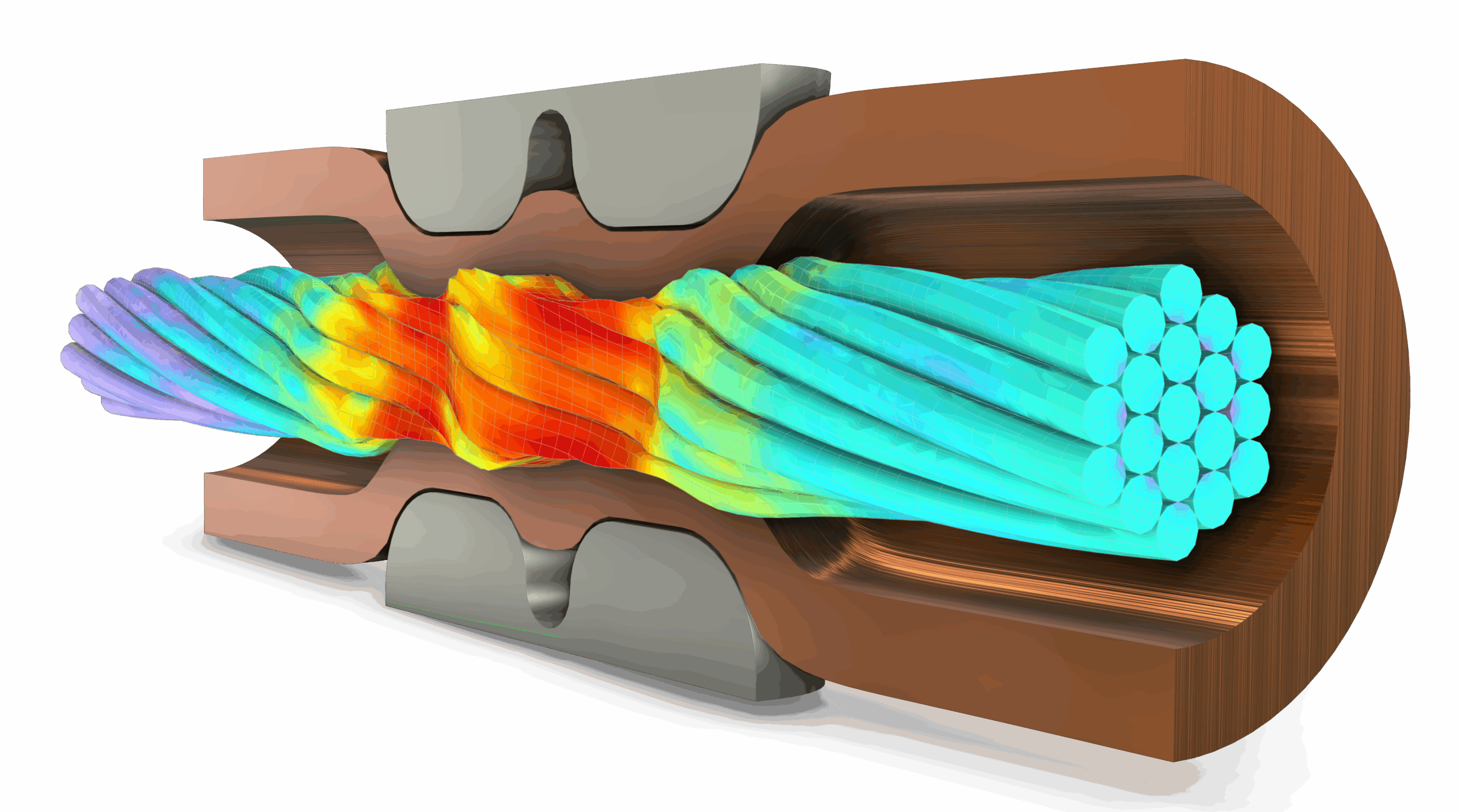
“It took some effort for us to get this technology running in our Multiphysics environment, but now we have it,” Sjodin said. “Even though [our users] can go and use one of the dedicated packages, there are many reasons for our user base to stay within Comsol and now [they] get access to this technology.”
Comsol’s new Granular Flow Module
The new Granular Flow Module in Multiphysics 6.4 satisfies another popular user request. This add-on uses the discrete element method to analyze granular processes such as hopper discharge, silo storage, chute transport, powder spreading, and mixing, according to Comsol.
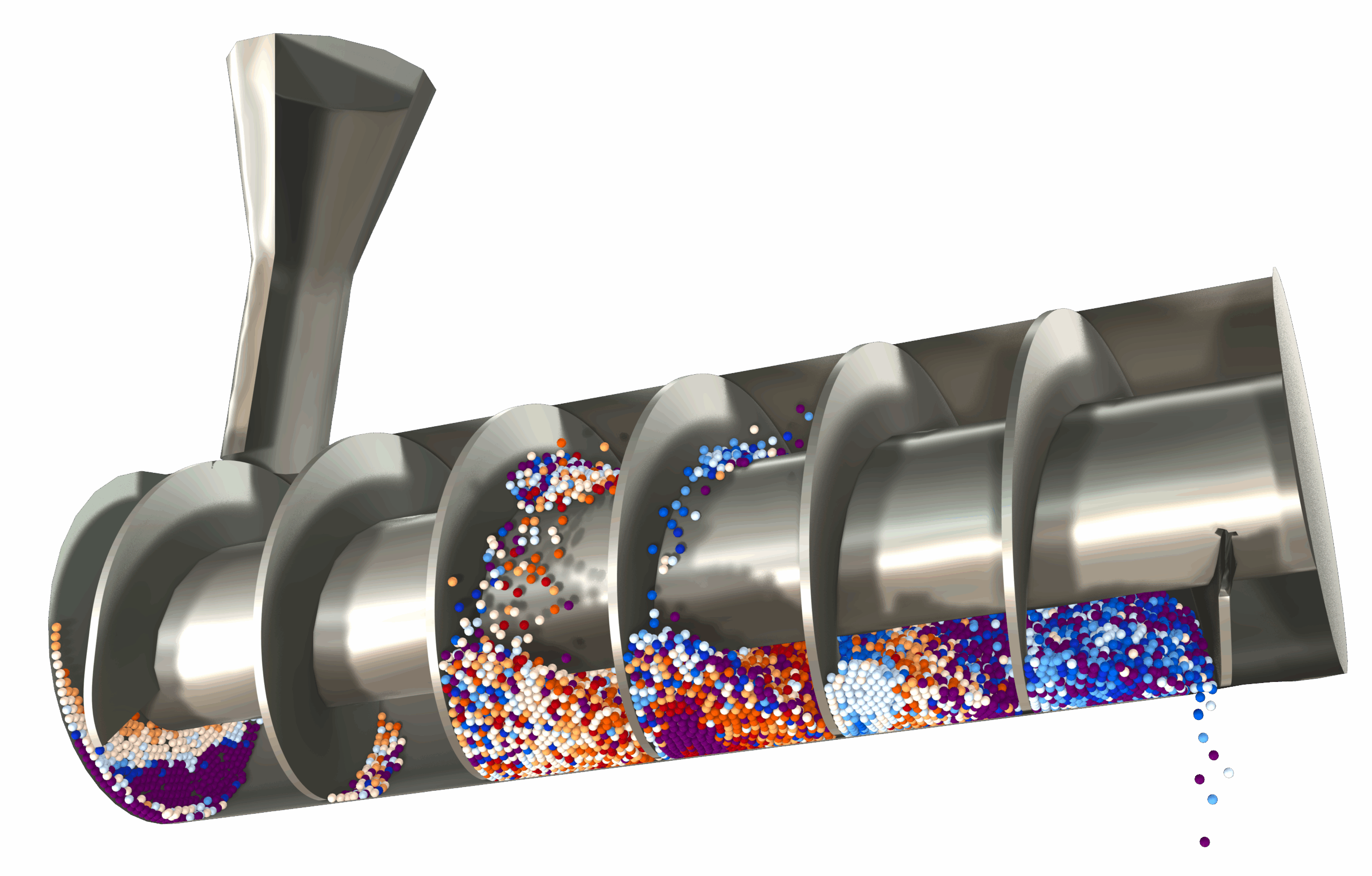
Granular flow is an interesting middle ground between multibody dynamics (MBD, a multipurpose engineering acronym), which simulates a few dozen to a few hundred discrete parts, and fluid dynamics, which simulates a continuum.
“Granular flow lives in the space between those two extremes,” Sjodin explained. “It’s capable of efficiently handling millions of solid grains in a simulation.”
In that middle ground, granular flow exhibits characteristics of both MBD and fluids. One of the most useful things the new module can predict is clogging.
“A lot of industrial equipment mixes different types of particles. You might have issues in your production line that you get these powders clogging up and stopping the flow of grains. Anything like that, you can use this type of module for,” Sjodin said.
Choose your own chatbot
Though Comsol hasn’t introduced its own AI chatbot, Multiphysics 6.4 offers extensive chatbot access through the Chatbot window.
Last year’s 6.3 release introduced support for ChatGPT, allowing users to enter their credentials and get access to the chatbot within Comsol Multiphysics. Version 6.4 now supports any chatbot that’s compatible with the OpenAI API, including GPT-5, DeepSeek, Google Gemini, Anthropic Claude, and more.
Why connect your chatbot to Comsol? The optional feature makes it easier to provide context about your simulation, Sjodin explains.
“You can provide it with the model information for the simulation that you’re currently running,” Sjodin said. “Ask it questions about physics feature in the model. Ask questions about variables… That is something that you cannot do easily from the web interface.”
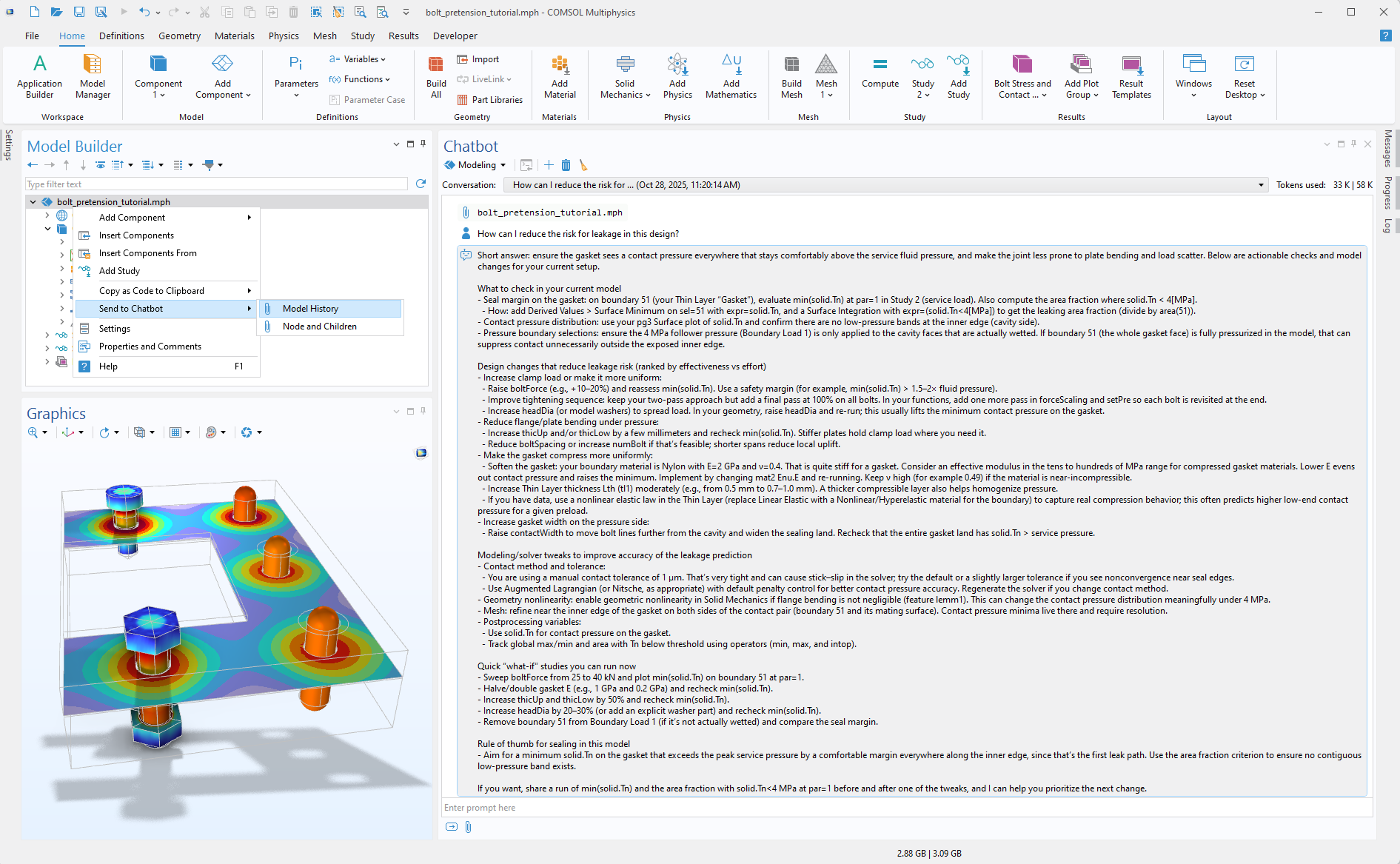
Within the Chatbot window, queries will also be augmented with instructions to search the Comsol documentation, providing better quality responses than asking questions in the browser, according to Sjodin.
“Comsol is not shipped with its own large language model. We just provide a connection in a useful way to the large language model of the user’s choice,” Sjodin said.
We had to ask: Which one works best with Comsol?
“What seems to work best as of late is ChatGPT GPT-5 and Google Gemini 3.0. But it’s changing very quickly, so next month could be something else that’s better,” Sjodin said.
3 simulation trends to watch in 2026
With the new year fast approaching, we wanted to know what simulation trends Comsol is focused on for 2026. Sjodin gave us three answers.
“To begin with, we expect Nvidia and other vendors to provide even faster hardware in the future, and that’s something we want to use.
“Then you have what we call surrogate models, things like neural networks and reduced order models, ROMs. Lots of R&D is going into new ways of doing this.
“And then finally, AI. We see that large language models will get better and smarter. We are working on providing these chatbots with more useful information. Eventually the goal is to automate the modeling process more and more in the future.”